
Full Chimney Removal to Foundation
Reclaim the wall and the square footage a dead chimney was eating.
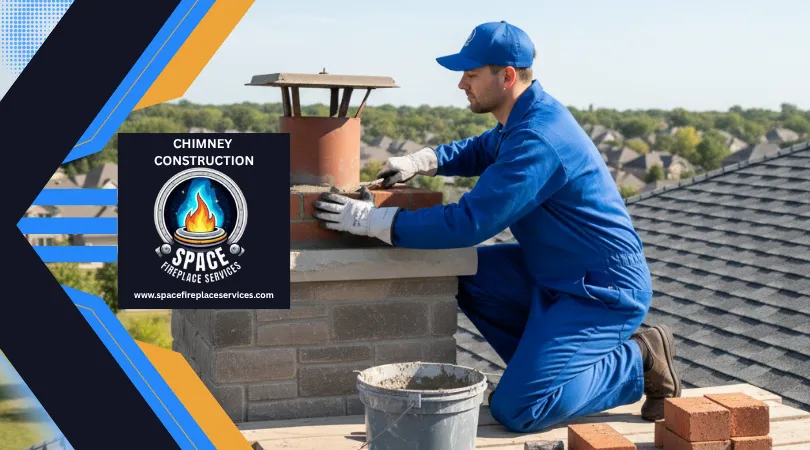
Learn moreAn unused, spalling chimney above the roofline does nothing for the house but drag down the way it looks and rain brick into the gutters. We take the dead masonry down to the roof deck and rebuild the roofline so seamlessly the patch reads as original — new decking let into the framing, ice-and-water underlayment, matched shingles, the flue capped, and the whole area water-tested before we leave. The roof looks intentional again, not interrupted. A controlled, craftsman cut-down, never a tar smear.
When a masonry stack above the roof has reached the end of its life — spalling brick, a failed crown, a lean visible from the curb — the premium move isn't another patch. It's a clean cut-down to the roof deck and a roof line restored so completely a buyer's inspector would never guess a chimney once stood there. We treat a removal with the same craftsmanship standard we bring to a new build; the proof is in everything you don't see afterward.
Our crews take down only the section above the sheathing, course by course, lowering material by hand or rigged line rather than dropping it — protecting your shingles, your landscaping, and the people below. A controlled teardown is the line between a tidy job site and a damaged roof; we don't shotgun a stack, and scaffold or roof anchors and fall-protection go up before a single brick moves.
Where the chimney passed through, we rebuild the roof the way a roofer would. New decking is let into the existing framing, ice-and-water underlayment is run over the patch, and the field is shingled in a matched product so the repair disappears into the plane. Every penetration is properly flashed, the cut-down flue is capped, and the abandoned cavity is back-filled to stop condensation and keep critters out. A discount crew leaves a flat tar smear and a soft spot that telegraphs through the shingles within a season; we photograph the underlayment lap before it's covered and water-test the patch before we leave.
If the lower chase or breast is staying, we engineer its support — gallows brackets or a framed bulkhead — so nothing upstairs is left hanging on masonry we removed. We salvage and palletize reclaimed brick if you want to keep it, haul every scrap of rubble off-site, and hand you a documented job package. What's left is a clean roof, a sealed cavity, and a removal that's permitted and on the record — not a liability that surfaces at resale.
At Space Fireplace Services, a above-roofline chimney removal is never guesswork. We scope every job from a graded, photographed inspection first — the NFPA 211 level the evidence calls for — so the work is matched to what your flue and masonry actually need, with the report to prove it. The documented inspection is the record the above-roofline chimney removal is built on.
Chimney inspectionSet scaffold and roof anchors with fall-protection, then tarp the roof and landscaping before a single brick moves.
Take the masonry down course by course to the sheathing, lowering it by hand or on a rigged line.
New decking gets let into the framing, ice-and-water underlayment goes down, and matched shingles finish the surface, with the underlayment photographed before it is covered.
Cap the cut-down flue, back-fill the cavity, and water-test the patch; brick gets salvaged and the rubble hauled off.
We've worked on 1,000+ DFW homes over 10+ years. Every job — small sweep or full rebuild — runs the same way: certified technicians, written quotes, photo reports, warranty in writing.
A controlled course-by-course teardown, with the masonry rigged and lowered rather than dropped
The roof patched to an invisible standard, then photographed and water-tested
The truncated flue capped and the abandoned cavity back-filled against moisture and pests
Permitted, inspected, and documented so it stands up at resale
Family-owned, CSIA-certified, NFPA 211–compliant. We're the team you call when you want it done right the first time — no rotating subcontractors, no upsell pressure, no surprises. Same techs, same trucks, same standard.
Plan on a Level 1 inspection every year — that's the NFPA cadence — with an actual sweep once buildup reaches 1/8" of creosote. For a fireplace you light through the season, that usually lands at once a heating season. Think of it as the upkeep that keeps the centerpiece of the room clean, drawing well, and ready to look its best.
Yes. The inspectors who assess your chimney hold current CSIA (Chimney Safety Institute of America) certifications — you can confirm them in the CSIA member directory at csia.org — and our fireplace installations are handled by NFI specialists. The craft that makes a hearth a showpiece starts with the people standing in front of it.
Yes — emergency response is available 24/7 (subject to crew availability) for active water leaks, an animal trapped in the flue, post-fire damage, and storm damage, same-day in most cases. A fireplace is the heart of a room; when it's at risk, we treat it that way.
Always. You get a written quote before a single tool comes out, with photos of exactly what we found. Final pricing tracks the chimney's real condition and anything additional the inspection surfaces — no surprises, just a clear picture of what your fireplace needs.
Yes — our annual maintenance membership runs $19.99/month ($240/year) and covers a yearly Level 1 inspection and sweep ($248 value), priority scheduling, 10% off all repairs, and emergency-response priority. Cancel anytime, no contract. It's the quiet way to keep your hearth looking and working its best year after year.
Last reviewed:
Other services in the Removal & Decommission category.
Free written quote. Same-week scheduling. 24/7 emergency response when you need it.
Active leak, animal in flue, post-fire damage, or smoke event? Real humans on the line 7 AM to 12 AM every day — replies in under 2 minutes. Tech dispatch within 2 hours during business hours, subject to crew availability after-hours.
Emergency line